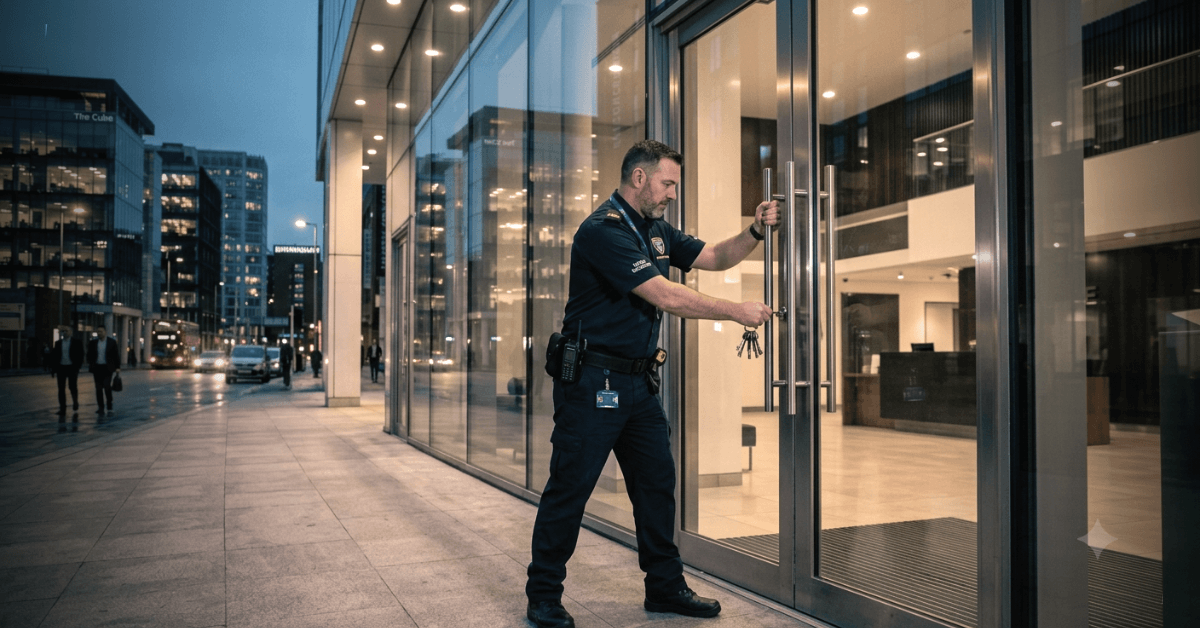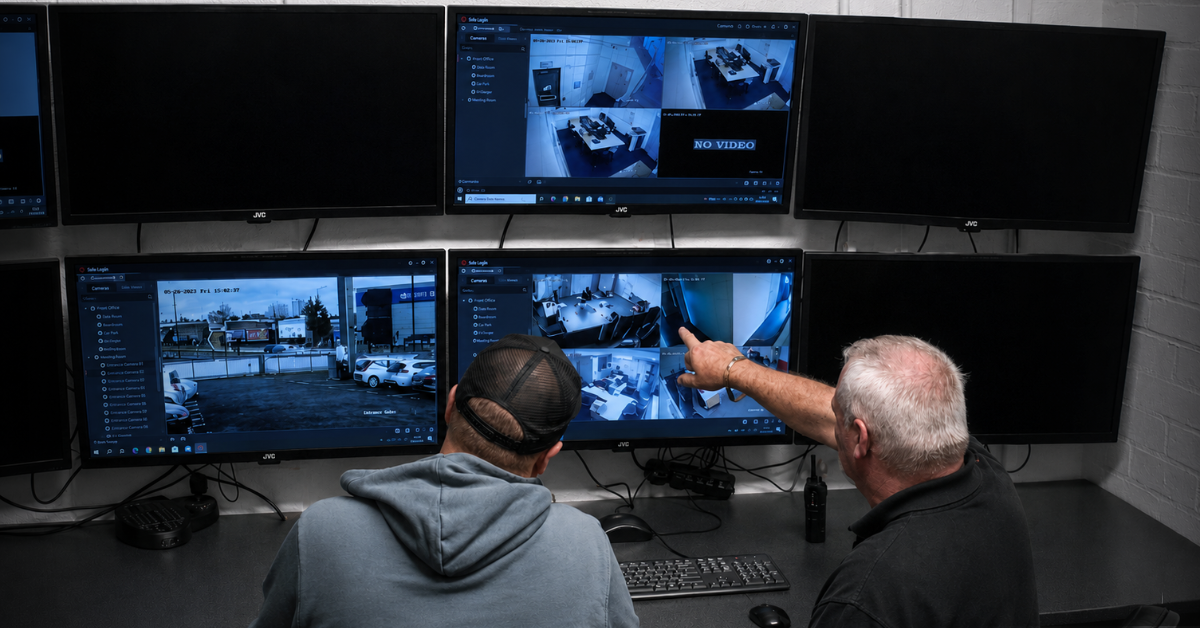
The Security Industry Authority’s (SIA) ongoing strategic review has sparked intense debate across the private security sector.
Whilst some view it as another layer of regulatory compliance, we see it for what it truly is: a long-overdue, necessary overhaul to raise standards, eliminate rogue operators and maintain public trust.
For years, reputable SIA courses and training providers have invested in qualified instructors, compliant delivery, robust learner support and top-tier training facilities.
Yet, the sector has been undermined by “shortcut” providers undercutting prices through training malpractise and exam cheating.
This review is the industry’s opportunity to level the playing field and ensure that a security licence reflects the skills, knowledge and standards required to perform with due care and professional standards.
Superior Vs. Longer Training
From our perspective, the industry’s obsession with classroom hours has distracted regulators from what matters: hands-on skills.
As current course lengths and SIA Qualification Levels are already adequate, the focus must shift away from counting hours and toward relevant content, potent delivery and robust assessment.
Right now, strict mandatory classroom hours often force high-quality providers to rely on outdated classroom fillers to run down the clock. A prime example is the requirement for manual, handwritten formal statement writing.
Digital reporting apps and body-worn cameras dominate the modern frontline security sphere. Spending hours writing essays by hand is now obsolete.
That is why we believe the reallocation to hands-on, survival and de-escalation skills in a classroom is a great approach.
Skills-focused training strips away the administrative tick-box exercises and prepares a guard for the realities of the modern frontline.
Modern Threats Demand Modern Skills
Mandatory Physical Intervention
A sharp increase in violent retail crime has increased frontline risks over the past five years. It is no surprise that an overwhelming 83% of the industry demands that physical intervention become a mandatory baseline in standard training to keep operatives safe.
Defusing Social Media Auditors
The rise of content creators targeting security teams on TikTok and YouTube has created a new operational challenge. As current SIA qualifications provide limited guidance on managing these situations, guards can sometimes react as a defense, wrongly claim that filming is illegal or resort to unnecessary force. Operatives need immediate training in safe, legal communication to neutralise these situations before they escalate into corporate PR disasters.
Spiking Awareness & Advanced Searching
Modern venues, pubs, bars, clubs and hotels face emerging public safety threats that demand greater attention. Incorporating mandatory spiking awareness and advanced searching techniques into core modules ensures guards can protect vulnerable members of the public proactively.
Neurodiversity & Behavioural Awareness
Traditional training has conditioned guards to view non-compliance or unusual behaviour as aggression or intoxication.
With millions of neurodivergent individuals in the UK, misinterpreting behavioural differences can lead to wrongful restraint, serious injuries and costly discrimination claims.
We believe this should be a core part of the current curriculum, as the treatment of these individuals must be handled with additional care. We appreciate that the new curriculum is discussing this issue and we believe it should evolve to better support disabled people and keep up with today’s emerging risks.
Cultural Competence and Staff Wellbeing
Training guards to navigate cultural differences is more important than ever, helping to protect both the public and the venue’s legal interests.
In addition, the inclusion of mental health awareness modules could help address the industry’s high rates of stress and PTSD.
This is positive news for us, as it increases the chances of retaining our best staff and may even encourage those who previously enroled but were hesitant to return.
Wiping out Malpractise. Great News for Reputable Providers
These measures demonstrate the SIA’s commitment to raising standards by tackling organised criminal activity, training fraud and serious workplace abuses.
The introduction of rigorous anti-cheating technology, digital exam delivery, standardised English language testing and strict internal compliance audits will make it impossible for low-cost, corner-cutting schools to survive.
When rogue providers can no longer bypass the rules to pass weak candidates, the race-to-the-bottom on pricing ends.
Reputable providers can now shift the client conversation away from “cheap tick-box training” and toward premium, high-value security education. A major milestone for our sector.
A Shared Responsibility. Drawing the Line Between Trainer and Employer
Creating a capable workforce requires a strict, shared responsibility between training schools and security employers. However, a training provider cannot achieve this in isolation.
Training Provider’s Mandate
Our job is to deliver a rock-solid foundation of universal, safety-critical skills. SIA’s “back to basics” approach states that core courses should not be overloaded with specialist niche topics such as retail shoplifting tactics or corporate office procedures (as an example) that individuals pay for but may never use in their specific career paths, if working in different fields.
Employer’s Mandate
Frontline operatives share a widespread agreement that whilst classroom training gives them a solid baseline, employers must step up with thorough, site-specific training.
A standard SIA qualification cannot teach a guard the layout, gatehouse systems or emergency protocols of a specific building.
Legitimate security firms and venues must take accountability for localised inductions to make their staff effective.
Supporting the Future of Security
By prioritising relevant content, practical skills and integrity in assessments, this review has the potential to uplift private security into a more respected and professional industry.
We believe tighter standards should not be feared because of their impact on cost or training requirements. Instead, they will help protect our operatives, strengthen our businesses and safeguard the British public.