Figuring out how to get your SIA licence in the UK can feel overwhelming. What are the rules? Is the exam hard? What does the job actually look like?
The SIA Door Supervisor Course is a six-day intense training programme that answers all of this and more.
Below, we talk about the everyday role of a door supervisor, the mandatory requirements to join, what you will learn across the four units and an honest look at the difficulty of the course.
What You Need Before You Enroll
- Age: You must be at least 18 years old.
- First Aid: You need a valid Emergency First Aid at Work (EFAW) certificate or higher. This must be at least 12 months left when you begin the course.
- Language: You need a reasonable standard of English in reading, writing, listening and speaking.
- Right to Work: You must be able to prove you have the right to work in the UK.
What You Will Learn on the Course
The training is split into four main parts:
- Unit 1: An introduction to the role, health and safety and security law.
- Unit 2: This covers crowd management, licensing laws, drug awareness and safe searching techniques.
- Unit 3: Practical ways to defuse tense situations, communicate clearly and stay safe during conflict.
- Unit 4: Safe and legal techniques for holding or guiding people away during a fight.
If you are at the early stage and want the full training-to-licence route explained step by step, our SIA Door Supervisor training guide for first-time learners covers that in more detail.
Why take the SIA Door Supervisor Course?
Beyond just passing an exam, the training makes you skilled at handling difficult people, managing conflict, understanding the laws and making safe decisions.
For employers, holding these skills shows you understand the job and are ready to start, increasing your chances of securing secure employment.
A Door Supervisor Licence allows you to work in pubs, bars, and events, but also in offices, retail spaces, construction sites and front-of-house roles.
Everyday Duties and Legal Responsibilities
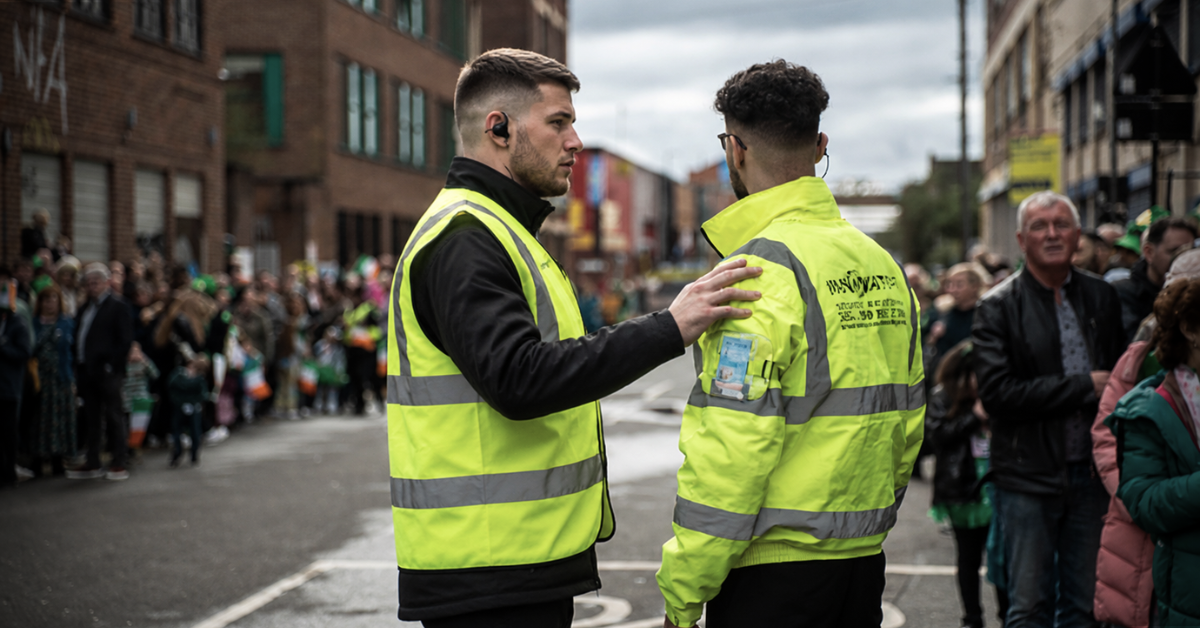
As a door supervisor, your typical tasks will include:
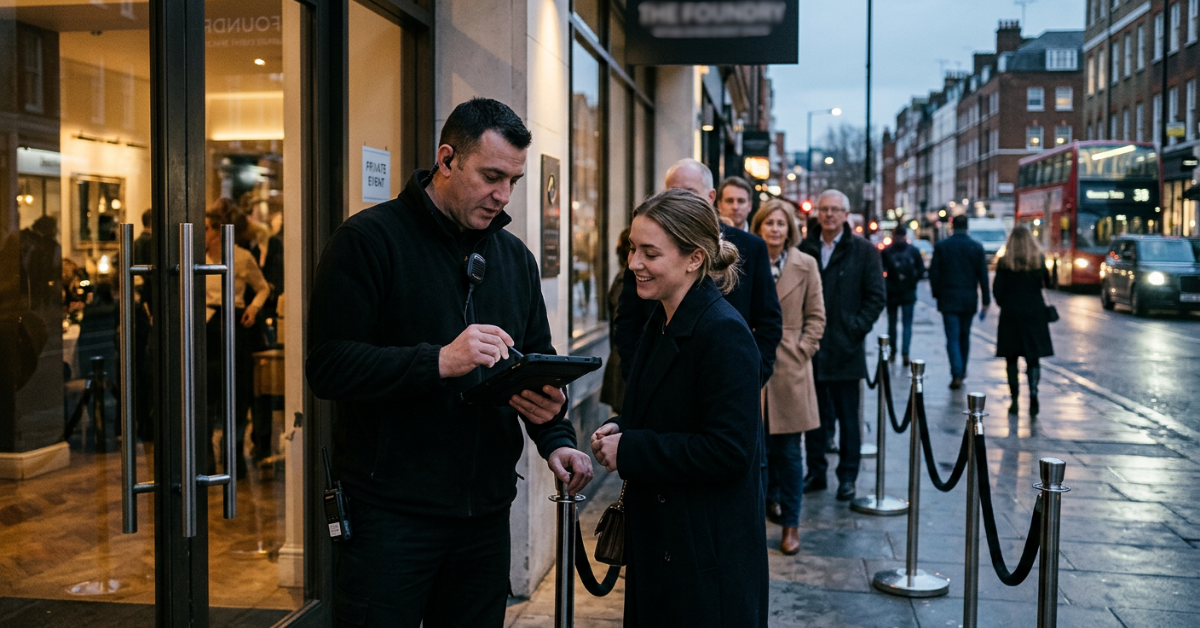
- Checking tickets and valid ID, like a passport or PASS card, to stop underage entry.
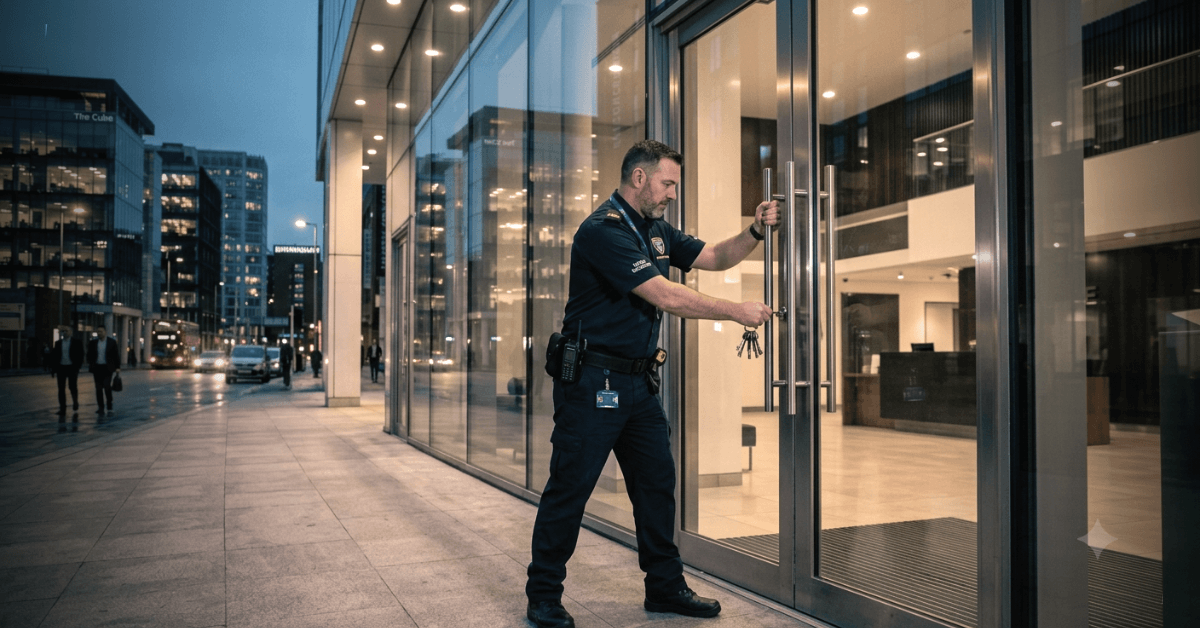
- Controlling the doors so the venue stays safe and organised.
- Turning people away if they are underage, drunk, aggressive or breaking venue rules.
- Doing bag checks or safe searches to stop weapons, drugs or banned items getting inside.
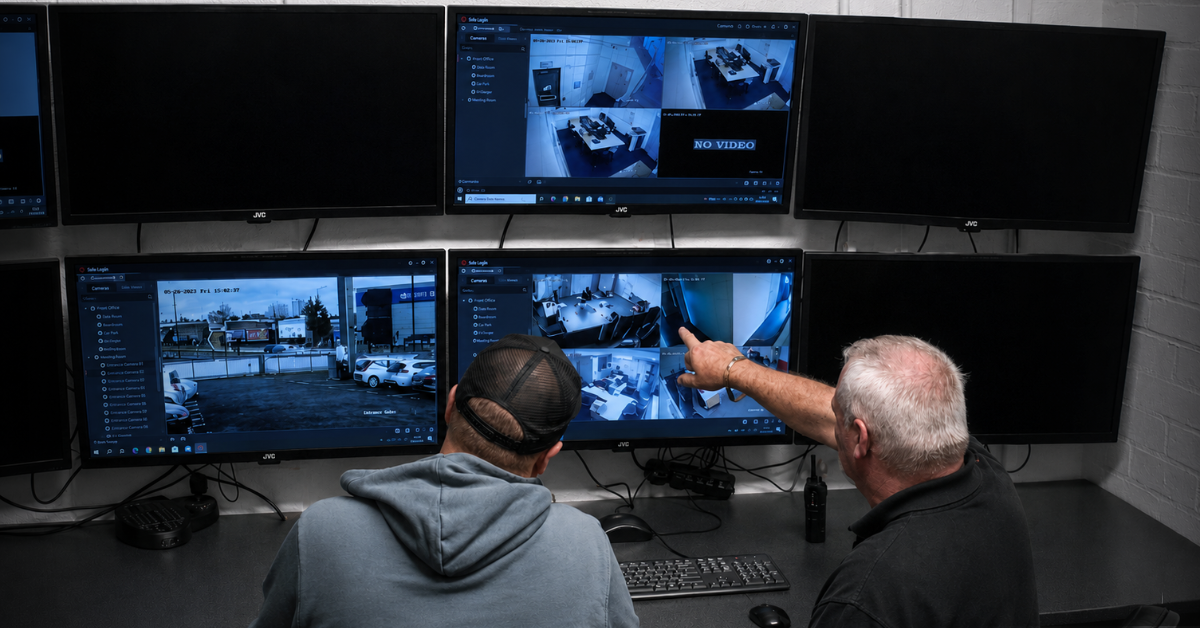
- Watching customer behaviour to spot trouble early.
- Patrolling key areas inside and outside the venue.
- Calming down arguments and handling difficult situations professionally.
- Using a radio to report issues quickly.
- Helping during fire alarms, medical incidents or evacuations.
Understanding the Legal Limits and Force
The door supervisor training focuses heavily on making the right choices in tough situations. You will face scenario-based questions about what is legal, what is proportionate and how to record incidents.
A common mistake is thinking security staff have the same powers as the police. You must understand the strict legal limits around searching and using reasonable, necessary, and proportionate force. You do not have special police powers and act under the exact same legal rights as any ordinary citizen.
Is The Course Difficult?
The course is achievable. It is meant for beginners and roughly 90% of learners to pass on their first try. The main challenge is paying attention during the sessions and being ready to join in. It is not more than memorising facts. You must put what you learn into practice.
You need to pass four separate multiple-choice exams:
- Principles of Working in the Private Security Industry: 72 questions (70% pass mark).
- Working as a Door Supervisor: 50 questions (70% pass mark).
- Conflict Management: 20 questions (70% pass mark).
- Physical Intervention Skills: 30 questions (80% pass mark).
The Physical Intervention Assessment
People often find this the hardest part. You have to physically show the assessor how to move troubling people away from each other safely during the fight, protect yourself and escort someone safely. It is a practical test, not a written one. You must be physically able to do the moves and follow the official procedures.
How Training 4 Employment helps you prepare
With over 16 years of experience and more than 17,900 students trained across the UK, we make the course easy to grasp. We use plain English, real-life examples, role-play and clear demonstrations to help you learn the theory and the practical skills.
Course costs and SIA licence fees
Becoming a door supervisor involves a multiple cost. You must pay for the training course, the SIA licence application and sometimes a first aid course.
At Training 4 Employment, the SIA Door Supervisor Course is £261.50. Once you pass, you apply for your SIA licence separately. A new three-year front-line licence costs £204.
If you do not already have a valid first aid qualification, you will need to pay for that before starting. This usually starts at around £181.50.
Most people only need one licence. You pay a reduced fee of £102 if you already hold an active SIA licence and want to add another one, like CCTV.
| Cost Item | Estimated Cost |
|---|---|
| Training 4 Employment Course | £261.50 |
| First aid qualification (if needed) | £181.50 |
| Additional SIA licence (if needed) – 50% OFF | Starts from £102 |
| SIA licence application fee | £204 |
Renewing Your Licence and Refresher Training
As of 1 April 2025, renewing your SIA Door Supervisor licence requires a mandatory two-day refresher course and a valid Emergency First Aid at Work certificate. The renewal fee is £204 and you apply through your online SIA account. You should complete your training with an approved provider, upload your certificates and submit your application early so you avoid a gap in your licence.
Ready to start your training? View upcoming dates and course details on the SIA Door Supervisor Course by Training 4 Employment.
Steps To Follow Before, During and After Renewal
- Check the rules: The refresher course is mandatory for renewals from 1 April 2025.
- Get your First Aid: You must have a valid EFAW certificate before you can sit the refresher course.
- Do the Top-Up Training: Finish the two-day refresher. This covers updated rules on physical intervention, spiking and keeping vulnerable people safe.
- Apply: Submit your application through the SIA online portal.
- ID Checks: You might need to visit a Post Office to verify your identity and get a new photo taken.
Things To Remember Before Renewing:
- When to renew: You can start your application up to four months before your current licence runs out.
- Expired licences: If your licence has already expired, you cannot renew it. You will have to apply for a brand new licence, which means doing the full qualification again.
Note: Always check your training provider is SIA-approved so your qualifications are accepted.
FAQs
How do I get an SIA Door Supervisor Licence?
First, finish the required training and pass the exams. Next, create an SIA online account and submit your application. For more information, visit the official site.
What is the difference between a Security Guard Licence and a Door Supervisor Licence?
A Security Guard Licence is mostly for general security work in offices, shops or building sites. A Door Supervisor Licence covers all of that, plus it allows you to work in licensed premises like pubs, clubs, bars and events.
Will the course price change in the future?
Yes, prices can change. Training providers might adjust their fees because of updates to the course, changes in awarding body costs or venue hire prices.