0808 280 8098 | 0121 630 2115 info@training4employment.co.uk

Blogs

Finding Reliable SIA Training Courses in Nottingham

Finding Reliable SIA Training Courses in Nottingham

If you’re looking to start a rewarding career in security, the first step is choosing the right training course. Security is a fast-growing industry with constant demand for professionals in roles like door supervisors, security guards, , and CCTV operators,. Whether you’re a career changer exploring new horizons or a business aiming to upskill staff, Training for Employment provides trusted SIA training courses in Nottingham to help you advance in your career.

From understanding the importance of SIA licensing to evaluating course quality, we’ve compiled everything you need to know to make an informed decision for you next career path.

Why SIA Training Matters

The Security Industry Authority (SIA) is the regulatory body that oversees security professionals in the UK. Many security roles require an SIA license, which proves your qualifications and competency to employers. The key to obtaining this license? Completing an accredited SIA training course.

Benefits of SIA Training

  • Industry Compliance: Ensures you meet legal requirements to work in the security field.
  • Career Advancement: Opens up high-demand roles like door supervisors and CCTV operators.
  • Skill Development: Learn real-world skills such as conflict management, first aid, and monitoring systems.
  • Credibility: Builds trust with employers and clients as a certified professional.

Whether you’re stepping into security for the first time or upgrading your qualifications, choosing the right course is vital for success.

Not all training providers are created equal, so it’s essential to evaluate options carefully. Here’s how Training for Employment ensures you receive a trustworthy and reliable course:

1. Check Accreditation and Licensing

A legitimate SIA training provider must be accredited by the SIA and offer certification upon course completion. Look for clear evidence of approval on their website. Licensed courses should provide you with the qualification you need to apply for the SIA-linked license. Training for Employment is an accredited provider that meets these requirements, ensuring you receive the necessary certification to advance your career in the security industry.

2. Research the Trainers’ Expertise

The best security training courses are led by experienced professionals with real-world knowledge. Trainers who have worked in law enforcement, private security, or event security often bring valuable insights to the classroom.

Some questions to ask:

  • Are the trainers licensed and qualified by the SIA?
  • Do they have hands-on experience in operational security?

3. Evaluate Course Content

Reliable courses should teach a comprehensive syllabus tailored to the role you’re preparing for. For example:

  • Door Supervisor Courses focus on communication skills, emergency procedures, and licensing laws.
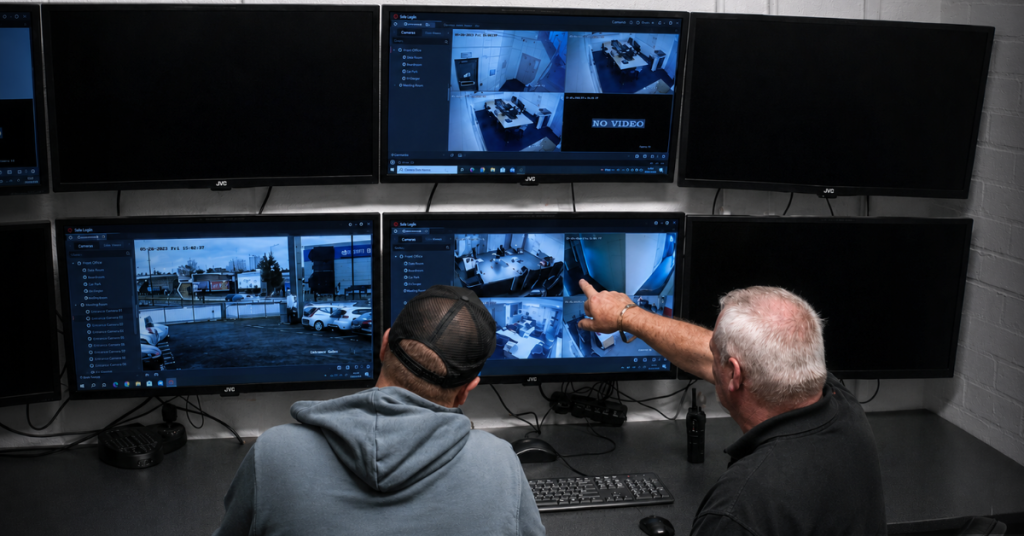
  • CCTV Operator Training includes system monitoring and surveillance techniques.
  • Door Supervisor Refresher Course – focuses on legal updates and changes within the private security sector, including spiking, most recent conflict management and physical intervention techniques, as well as terror threat awareness
  • Security Guard Refresher Course – focuses on the latest legal updates and changes within the private security sector, including updated patrolling and effective incident response and reporting procedures, enhanced conflict management strategies, and improved health and safety awareness.

Before enrolling, ask for a detailed course outline to ensure it covers the areas you want to focus on.

4. Look for Flexible Scheduling

If you’re juggling work or personal commitments, choosing a course with flexible scheduling is key. Many SIA courses offer short programs or weekend options to suit busy learners.

5. Read Reviews and Testimonials

Before committing, check reviews from past attendees. Look for feedback on course quality, trainer expertise, and overall customer service. Positive reviews can give you confidence in your choice.

6. Post-Course Support

A great training provider continues to prioritise your success even after the course ends. Look for providers that offer valuable support, such as:

  • License application assistance
  • Career advice and tips

Training for Employment goes the extra mile by helping you with your SIA license application for just £25, making the process easier and more affordable so you can focus on launching your career.

These services can make a difference as you begin your career.

Top Benefits of Reliable Security Training in Nottingham

Choosing a Training for employment SIA training option offers several unique benefits:

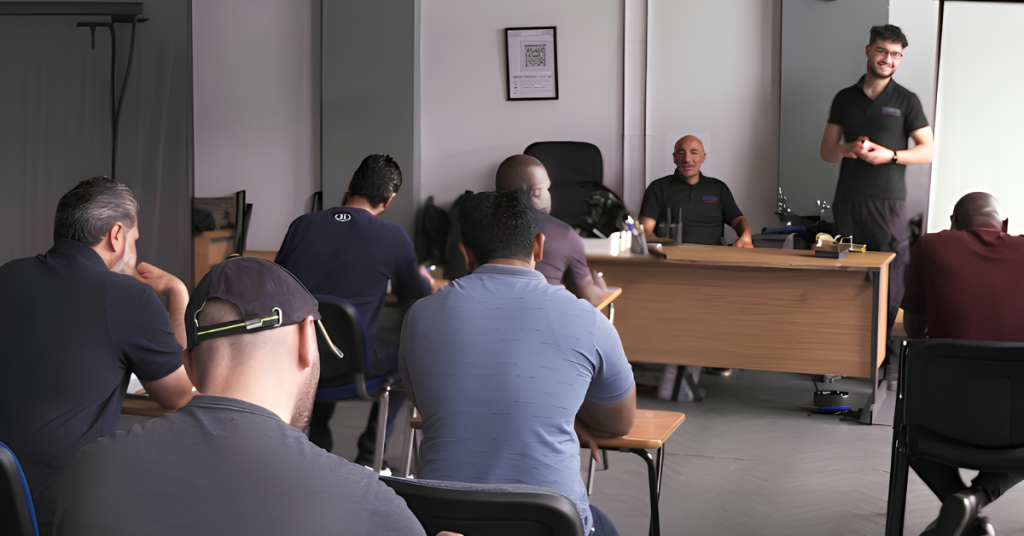
  • Comprehensive Learning Experience: From theory-based knowledge to real-life simulations, learners can tackle every aspect of security work in a controlled environment. For example, door supervisor training may include role-playing conflict scenarios.
  • Networking Opportunities: Classes connect you with aspiring and seasoned professionals in the security field.
  • Regional Relevance: A Nottingham-based provider will focus on local safety challenges and legislation, equipping you with practical, area-specific training.
  • Peace of Mind: A reliable provider guarantees that your course meets all SIA regulatory standards, saving you time and stress.
image

Best Practices for Your First SIA Training Course

To make the most of your training, use these tips:

  • Arrive Prepared: Confirm what you need to bring—identification, stationery, or if there is any homework assigned to you
  • Engage with Trainers: Ask questions relevant to your future role, and learn from the experts’ real-world experiences.
  • Take the Tasting Notes Seriously: Just as coffee lovers depend on nuances, so will your professional skills require focus on details you refine here to stand out.
  • Stay Compliant: Make sure you follow up on additional steps, especially procedures you’ll need for your specific licensing processes.

Moving Forward With Your Security Career

Completing a reliable SIA course in Nottingham is just the beginning of your professional security career. With strong training and an industry-recognised licence, you will be ready to take on roles in a rapidly growing field.

Whether you’re drawn to working in event management, retail security, or as part of a response team, the skills provided by an SIA course will position you for long-term success. Nottingham has several quality training providers catering to local professionals—use the tips in this guide to evaluate the best course for you.

Why Wait? Start Your Training Now

Make a confident choice today. Invest in your career by enrolling in an SIA training course in Nottingham. Completing your training is the first step to unlocking exciting, secure career opportunities. If you’re ready to begin, search for trusted providers in your area and pave your way to success!

How to Get Started

If you’re ready to advance your career in security, the first step is to choose the right SIA badge course for you. Look for trusted training providers offering certified courses, and make sure the course you select aligns with your career goals.

For a trusted place to begin, explore https://training4employment.co.uk/blogs for SIA badge certification or SIA Licence Couse training.

Don’t wait, start your path to becoming a certified security professional today!

The Ultimate Guide to SIA Licence Courses

The Ultimate Guide to SIA Licence Courses

If you’re considering a career in the security industry or need to boost your qualifications, getting an SIA badge can be your key to opening doors. However, the variety of SIA courses out there can feel overwhelming, and understanding which one is right for your career goals can be tricky. This guide is here to eliminate confusion and help you decide which SIA badge course will fit your needs.

What is an SIA Licence or SIA Badge?

An SIA badge is a certification issued by the Security Industry Authority (SIA), the regulatory body for the UK’s private security industry. It’s a mandatory qualification required for individuals who want to work in certain roles, such as security guarding, door supervision, and CCTV operation.

By completing an SIA-approved badge course, you’re not only meeting legal requirements but also showing potential employers that you’re trained and committed to performing your duties professionally and safely.

Why do you need an SIA Badge?

Having an SIA badge is essential for anyone looking to work in regulated security roles in the UK. Here’s why it’s important:

  • Legal Requirement: Without an SIA badge, you can’t work in roles like door supervision or public surveillance.
  • Greater Job Opportunities: An SIA badge adds credibility to your resume and makes you eligible for a wide range of security jobs.
  • Professional Development: It ensures you have the knowledge and skills required to perform in demanding security environments.

Types of SIA Courses

There isn’t a one-size-fits-all approach to training. The SIA offers a variety of badge courses tailored to different types of security roles.
The Ultimate guide to SIA Licence

1. Door Supervisor Course

Ideal for professionals working in places like nightclubs, bars, event venues, or retail establishments. This course trains you in customer management, conflict resolution, physical intervention and legal procedures for managing entry points.

2. Security Officer/ Guard Course

This course prepares individuals for roles in securing buildings, patrolling sites, and carrying out basic safety procedures. It does not cover licensable activities specific to door supervision.

3. CCTV (Public Space Surveillance) Operator Course

This training is for individuals who monitor public spaces using CCTV equipment. Aside from learning how to operate surveillance systems, you’ll also gain knowledge about data protection laws and best practices.

4. Close Protection Course

The most advanced course, suitable for those aiming to work closely with clients as a bodyguard or in high-risk environments. Training often includes self-defense, risk assessment, and emergency response preparation.

5. Close Protection Top-Up Course

Close protection Badge is valid for 3 years. In order to renew it, there is a requirement by SIA to complete additional Close Protection Top-Up course.

6. Security Refresher Training

For SIA license holders needing to renew their licenses, refresher training ensures you’re kept up to date with the latest industry standards and regulations.

SIA Badge Certification Process

Getting your SIA badge takes several steps. Here’s a breakdown of the process:

1. Choose your course

Decide which certification aligns with your career goals, whether it’s door supervision, CCTV, or close protection.

2. Complete the required training

Register with an SIA-approved training provider. Training is available both in-person and online for some modules (search for “SIA courses online”).

3. Pass the exam

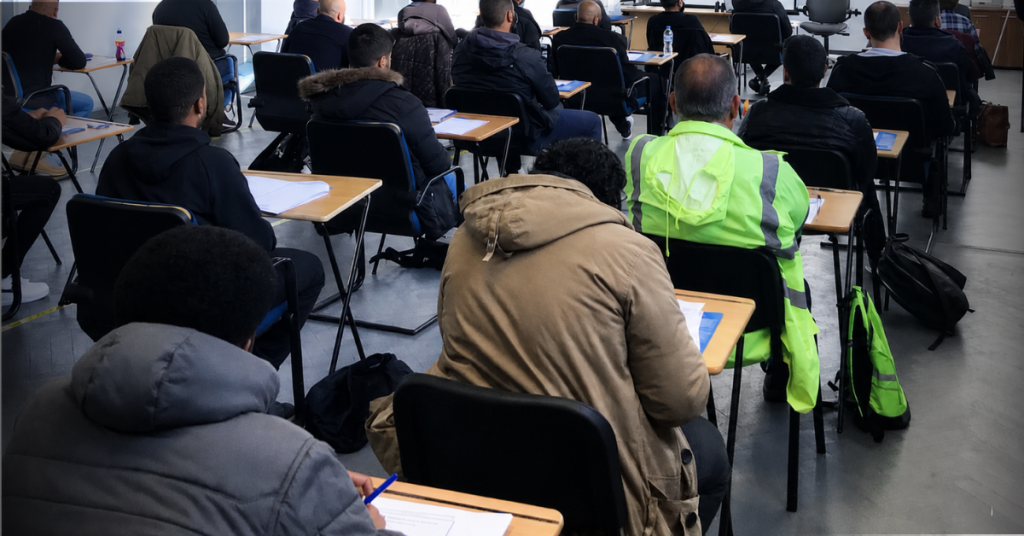
Each course concludes with an assessment that tests your understanding of the material.

4. Apply for your SIA License

Once you pass the exam, you can apply for your SIA badge through the official SIA website. You’ll need to provide the following:

  • Proof of identification
  • Training certificate
  • Application fee

5. Receive your license

Once your application is approved, you’ll receive your badge, allowing you to legally work in your chosen security role.

Benefits of Completing an SIA Badge Course

When you complete an SIA badge course, you’ll gain benefits beyond just meeting legal requirements.

1. Expand your career opportunities

IWith an SIA badge, you’re qualified for various roles in the growing security industry. Whether it’s festival security, retail guarding, or VIP protection, employers prioritize certified professionals.

2. Build confidence in your skills

Training enhances your ability to handle high-pressure situations, giving you confidence in your role as a security professional.

3. Stay competitive

This training is for individuals who monitor public spaces using CCTV equipment. Aside from learning how to operate surveillance systems, you’ll also gain knowledge about data protection laws and best practices.

4. Close Protection Course

Employers often favor candidates with SIA certification during hiring. By adding this badge to your qualifications, you’ll stand out in a competitive job market.

SIA Licencing

Frequently Asked Questions About SIA Badge Courses

1. How much does an SIA badge course cost?

The price varies depending on the course and provider:

You can review our provided SIA courses and cost here: https://training4employment.co.uk/blogs/security-courses

2. Are SIA courses available online?

Some courses offer online training for theory elements, but most require in-person attendance for practical modules.

3. How long does it take to get an SIA badge?

Completing the course usually takes between 3 to 20 days, depending on the type. Once you pass the exam, the SIA licensing process can take 2-4 weeks.

4. Is there a renewal process for SIA badges?

Yes, SIA badges need to be renewed every 3 years. Refresher training and completion of relevant assessments are required to maintain licensing standards.

5. Who is eligible to apply for an SIA badge?

To apply, you must be 18 or older, possess the necessary qualifications, and pass a background check including a criminal record assessment.

How to Get Started

If you’re ready to advance your career in security, the first step is to choose the right SIA badge course for you. Look for trusted training providers offering certified courses, and make sure the course you select aligns with your career goals.

For a trusted place to begin, explore https://training4employment.co.uk/blogs for SIA badge certification or SIA Licence Couse training.

Don’t wait, start your path to becoming a certified security professional today!

CSCS Labourer Card Changes Coming in February 2025: New Validity Periods and Renewal Requirements

CSCS Labourer Card Changes Coming in February 2025: New Validity Periods and Renewal Requirements

Starting February 1, 2025, the Construction Skills Certification Scheme (CSCS) will update Labourer card validity and renewal requirements. These changes aim to improve safety, align with the Building Safety Act, and address the oversupply of Labourer cards., both new applicants and current cardholders will see adjustments to card validity and renewal requirements. These updates aim to ensure that only those genuinely working as Labourers hold the card, aligning the scheme more closely with safety and competency standards under the Building Safety Act Construction Standards. Additionally, with a current oversupply of Labourer cards, the changes address the need for more accurate representation of active Labourers in the construction industry

Key Changes to the CSCS Labourer Card

1. Initial Validity Period Reduced

From February 1, 2025, first-time Labourer card applicants will receive a card valid for two years instead of five years. After the initial two-year term, those who continue in labouring roles can renew their card for five years by providing proof of employment in a labouring position.

2. CITB Test Validity Extended

The required CITB Health, Safety, and Environment test will have an extended validity period of three years, allowing it to be used for both the initial two-year card and for the first renewal, helping to reduce costs and logistical burdens on cardholders

3. Proof of Employment Required for Renewal

Labourer cards issued or renewed before February 2025 will remain valid for five years. However, upon renewal, all applicants will need to demonstrate that they are actively working in a labouring role to renew their card for another five years.

3. Proof of Employment Required for Renewal

  • The updates to the Labourer card align with the Building Safety Act’s focus on safety and competency, which requires all construction workers to demonstrate the skills, knowledge, experience, and behaviours necessary to perform their roles safely and effectively.
  • Garry Mortimer, Executive Director of Operations at CSCS Cards Limited, explained, “The competence of the construction workforce is at the heart of the Building Safety Act. These changes better align with the competency expectations of the Act as they will encourage more new entrants to start their career not on the Labourer card, but on one of CSCS’s red cards, which demonstrate to employers that the cardholder is on a recognised training pathway that supports long-term career progression.
CSCS card

Addressing Labourer Card Oversupply

With approximately 500,000 Labourer cards in circulation and the Construction Industry Training Board’s (CITB) Construction Skills Network Forecast projecting a need for only 140,000 labourers annually by 2028, it’s clear that there is a significant oversupply of Labourer cards. The new two-year validity period aims to better track active Labourers and ensure the card is used only by those genuinely working in the industry.

How Training4Employment Can Support Applicants for the CSCS Labourer Card?

For those planning to apply for an initial CSCS Labourer card, Training4Employment offers comprehensive training solutions that align with CSCS requirements and support a smooth application process:

  • One-Day Face-to-Face CITB-Accredited CSCS Card Training: Training4Employment provides a one-day, face-to-face course that prepares applicants to meet the competency requirements for the Labourer card. This CITB-accredited training covers essential topics in health and safety, which is critical for passing the CITB Health, Safety, and Environment test required for the CSCS Labourer card.
  • Level 1 (Online): Training4Employment’s online Level 1 Health and Safety Awareness course is specifically tailored to provide foundational knowledge in construction safety. This online course offers flexible learning that suits those who need to balance training with work commitments and meets the Level 1 health and safety requirement for the CSCS Labourer card application.

    For those planning to apply for an initial CSCS Labourer card, Training4Employment offers comprehensive training solutions that align with CSCS requirements and support a smooth application process:

    The Benefits of Using Training4Employment for CSCS Preparation

    By choosing Training4Employment’s accredited courses, applicants benefit from:

    1. Quality, CITB-Approved Instruction

    Ensuring that you meet CSCS standards in health and safety training.

    2. Flexible Learning Options

    The choice between in-person, one-day training and online learning, making it easier for applicants to complete the training at their own pace.

    3. Improved Application Readiness

    With thorough preparation for the Health, Safety, and Environment test and a foundational understanding of industry safety protocols, applicants can confidently pursue their CSCS Labourer card.

    Preparing for the Changes in 2025

    To ensure a seamless transition, current and prospective Labourer cardholders should take note of the following:
    • For New Applicants: From February 2025, first-time applicants should complete the CITB Health, Safety, and Environment test and be prepared to renew their card in two years, providing proof of employment in a labouring role if they continue in the industry.
    • For Current Cardholders: Labourer cards issued or renewed before February 2025 will remain valid for five years, with proof of employment in a labouring role required for renewal after that.
    • For Employers: Employers are encouraged to support their workers in meeting the new requirements and exploring structured training programs like apprenticeships or NVQs for long-term career growth.

    Additional Resources

    For more details on the upcoming Labourer card changes, Training for Employment’s CITB-accredited training, and available support, visit CSCS.uk.com/Labourer for a full list of FAQs. Alternatively, reach out to Training4Employment directly for guidance on how to prepare for the updated CSCS requirements. If you have specific questions not covered by the FAQs, use the Contact Us form on the CSCS website to speak with a CSCS representative.

    FAQs on CSCS Labourer Card Changes and Training4Employment Support

    1. What changes are being made to the CSCS Labourer card starting February 1, 2025?


    The initial validity of the CSCS Labourer card for first-time applicants will be reduced from five years to two years. After two years, workers who continue in labouring roles can renew their card for five years by providing proof of employment in a labouring role.

    2. Why is the Labourer card’s initial validity period being reduced?


    This change addresses the oversupply of Labourer cards, with around 500,000 cards currently in circulation despite the CITB’s forecasted annual need of 140,000 labourers by 2028. The reduced term helps CSCS better track active Labourers and ensures the card is held by individuals genuinely working in labouring roles.

    2. Why is the Labourer card’s initial validity period being reduced?


    This change addresses the oversupply of Labourer cards, with around 500,000 cards currently in circulation despite the CITB’s forecasted annual need of 140,000 labourers by 2028. The reduced term helps CSCS better track active Labourers and ensures the card is held by individuals genuinely working in labouring roles.

    3. What proof of employment will I need to provide when renewing my Labourer card?


    You’ll need to submit evidence of your current employment in a labouring role. This could include an employment record, a letter from your employer, or any official documentation verifying your role as a labourer.

    4. What changes are being made to the CITB Health, Safety, and Environment test?


    The CITB Health, Safety, and Environment test required for the initial Labourer card application will now have an extended validity of three years, allowing the same test to be used for the initial two-year card and one renewal.

    5. How can Training for Employment’s courses help me meet the requirements for the initial CSCS Labourer card?


    How can Training for Employment’s courses help me meet the requirements for the initial CSCS Labourer card?

    • One-Day Face-to-Face CITB Accredited CSCS Card Training: This hands-on, in-person training provides essential knowledge in construction health and safety to help applicants pass the CITB Health, Safety, and Environment test.
    • Level 1 Health and Safety Awareness in Construction (Online): This flexible online course covers core health and safety topics and meets the Level 1 health and safety requirement for the Labourer card application.

    6. Are current Labourer cardholders affected by these changes?


    Labourer cards issued or renewed before February 1, 2025, will remain valid for five years. However, upon renewal, cardholders must provide evidence of employment in a labouring role to renew for an additional five years.

    7. Will I need to retake the CITB Health, Safety, and Environment test for renewal?


    The CITB test will now be valid for three years, allowing you to use it once for the initial card and again for renewal if done within that period. This change helps reduce the frequency of retesting and associated costs.

    8. Why is CSCS making these changes now?


    The changes align with the Building Safety Act’s competency requirements, which place legal duties on those working in construction roles to ensure they are competent. CSCS wants to ensure Labourer cards reflect genuine employment in the field and not serve as a default access card for site entry.

    9. What options are available for new entrants to the industry?


    New entrants are encouraged to consider CSCS’s red cards, designed for those on recognised training pathways, such as apprenticeships or NVQs. These cards signal to employers that the cardholder is receiving structured training for long-term career development.

    10. Can I get help with training from Training for Employment even if I am not yet employed in construction?


    Yes, Training for Employment’s courses, such as the Level 1 Health and Safety Awareness in Construction online course and CITB-accredited one-day face-to-face training, provide essential knowledge and support you in meeting the health and safety requirements for your initial CSCS Labourer card application.

    11. How do I know which Training for Employment course is right for me?


    If you prefer flexible, self-paced learning, the Level 1 Health and Safety Awareness in Construction online course may be ideal. For those who prefer hands-on instruction, the one-day face-to-face CITB accredited CSCS Card Training provides direct engagement and preparation for the CITB test.

    12. How can I contact Training4Employment for more details on their courses?


    Visit the Training for Employment website for more details on available courses, schedules, and enrolment information. Their customer service team can guide you through the course selection process and answer any questions about preparing for your CSCS Labourer card.

    13. Where can I find more information on the CSCS Labourer card changes?


    Visit CSCS.uk.com/Labourer for a comprehensive list of FAQs on these changes. If you have further questions, the Contact Us form on the CSCS website allows you to reach out to their team.

    Navigating the New SIA Licence Training 2025 with Training4Employment

    Navigating the New SIA Licence Training 2025 with Training4Employment

    In today’s dynamic security industry, staying updated with regulatory changes is essential for both aspiring and established professionals. The recent updates from the Security Industry Authority (SIA) on licence-linked training have raised questions for many.

    At Training4Employment, we’re committed to guiding you through these changes and ensuring that your training experience remains as smooth, informative, and relevant as possible. Here’s everything you need to know about these updates—and how our specialized courses can help you meet the new standards.

    2025 SIA Licence Training Changes Requirements Explained.

    The SIA has rolled out several updates aimed at improving standards and preparedness within the industry. Here’s what you need to know:

    Refresher Training for Licence Renewal

    If you’re planning to renew your door supervisor or security guard licence on or after 1 April 2025, you’ll be required to complete refresher training. This change is in response to the evolving needs of the industry and ensures that security personnel stay up-to-date with essential skills.

    There are two main reasons for this refresher requirement:

    • Skills Fade Over Time: Even the most experienced professionals need regular training to keep their skills sharp and effective.
    • Evolving Threats to Public Safety: The security landscape is constantly changing, with new threats emerging regularly. Refresher training helps you stay prepared and equipped to respond to current challenges.

    The SIA’s new training requirements reflect insights from consultations with the private security industry, as well as findings from public inquiries and observations from coroners, ensuring that the curriculum addresses today’s most pressing security concerns.

    Separate First Aid Training Requirement

    All security professionals applying for a new or renewed SIA license are required to complete first aid training, except for CCTV Operators. First aid training has become a mandatory prerequisite for SIA licensing in 2021. This addition is vital, as it empowers security personnel to act swiftly and effectively in medical emergencies, safeguarding both public and personal safety.

    Enhanced Physical Intervention Skills

    A greater emphasis is placed on physical intervention techniques. This change responds to the need for safer handling of potentially volatile situations, requiring security professionals to undergo thorough training to handle incidents effectively and safely.

    Expanded Coverage in Conflict Management and Terror Threat Awareness

    The new licence-linked training framework also expands on conflict management strategies and counter-terrorism awareness, aiming to equip security professionals with the tools to navigate a wider range of challenging situations.

    Why Choose Training4Employment for SIA Licence-Linked Training?

    At Training4Employment, we’re more than a training provider; we’re your partner in building a successful, compliant career in the security industry. Here’s how our courses align with the updated SIA requirements:

    Comprehensive, Up-to-Date Training

    We’ve adapted our curriculum to meet the new SIA guidelines, integrating the latest techniques and insights to ensure our students are fully prepared. Our courses cover everything you need for your SIA licence, including the newly introduced refresher requirements and mandatory first aid.

    Real-World Skills for Real-World Situations

    Through our enhanced physical intervention and conflict management training, we equip you with the skills to handle real-world scenarios confidently and safely. At Training4Employment, our instructors are industry professionals with extensive experience, providing you with insights that go beyond the textbook.

    Flexible and Supportive Learning Environment

    We understand that balancing training with work and personal commitments can be challenging. That’s why our training programmes are designed with flexibility in mind, allowing you to find a schedule that works best for you. Additionally, our instructors are committed to supporting each learner’s journey, ensuring you feel confident and competent every step of the way.

    Efficient First Aid Certification

    Since 2021, the SIA has required all security professionals to complete first aid training before obtaining or renewing their licence. It’s crucial to understand that first aid training is separate from the refresher training. At Training4Employment, we make it convenient to meet this requirement by offering a streamlined Emergency First Aid course that can be completed on the same day as your refresher training or beforehand.

    Our first aid training includes an E-learning component, allowing you to study the basics online at your own pace, followed by just a half day (4 hours) of face-to-face training. This efficient setup ensures you meet the SIA’s requirements without disrupting your schedule, equipping you with essential life-saving skills.

    Preparing for the Future of Security Work

    As the SIA raises the bar, so does Training4Employment. Our expanded training includes modules on counter-terrorism awareness and conflict management, equipping you to meet today’s demands and anticipate the challenges of tomorrow.

    Ready to Take the Next Step?

    Whether you’re looking to start your career in security or need to update your credentials to stay compliant, Training4Employment has you covered. Our SIA licence-linked training courses are designed to make sure you meet all regulatory requirements with confidence. Join us to ensure you’re fully prepared, highly skilled, and ready to excel in a rapidly evolving industry.

    Don’t let these changes become roadblocks on your path to a rewarding security career. Choose Training4Employment and stay a step ahead.

    FAQs on SIA Licence-Linked Training Changes with Training4Employment

    To help you better understand the recent updates to the Security Industry Authority (SIA) licence-linked training, we’ve compiled some frequently asked questions. These answers, based on the latest guidelines from the SIA, will clarify what’s required for both new and renewing security professionals.

    Who needs to complete refresher training?

    Both security guards and door supervisors are required to
    complete refresher training to renew their SIA licence. This ensures that
    all professionals are up to date with the latest industry standards and
    prepared for the practical demands of their roles.

    Is first aid training part of the refresher training?

    No, first aid training is a separate requirement. Since
    2021, first aid certification is mandatory for all security professionals
    renewing or obtaining an SIA licence. This training can be completed
    before or on the same day as your refresher training.

    What does the first aid requirement involve?

    First aid training must cover
    Emergency First Aid at Work (EFAW) or an equivalent
    level. At Training4Employment, we offer a streamlined course that includes
    an E-learning module followed by four hours of face-to-face training,
    allowing you to complete the certification efficiently and meet SIA
    requirements.

    Can I complete first aid training on the same day as my refresher training?

    Yes, at Training4Employment, you can complete your first aid training on the same day as your refresher training. This approach provides convenience and ensures you’re fully prepared for the licence renewal process without added disruption to your schedule.

    What additional topics are covered in the updated training?

    The new SIA licence-linked training includes a greater emphasis on physical intervention skills as well as enhanced modules on conflict management and counter-terrorism awareness. These updates are designed to equip security professionals with the skills and knowledge necessary to handle a broader range of situations safely and effectively.

    Why is physical intervention training important?

    Physical intervention training is essential because it provides security professionals with safe techniques for managing potentially volatile situations. This training helps protect both the public and security personnel by emphasizing non-violent intervention methods.

    How often do I need to complete refresher training?

    Refresher training is required each time you renew your SIA licence. It’s part of the ongoing commitment to maintaining high standards in the security industry.

    How has counter-terrorism awareness training changed?

    The updated training includes an expanded module on counter-terrorism awareness, focusing on identifying and responding to potential threats. This module provides essential knowledge to help security professionals respond proactively to suspicious activities and threats.

    What if I haven’t completed my first aid training yet?

    If you have not yet completed first aid training, you’ll need to do so before or on the same day as your refresher training. Training4Employment offers flexible options, including hybrid learning with online modules and a brief in-person session, so you can meet this requirement conveniently.

    How can I book my training with Training4Employment?

    To book your SIA licence-linked refresher training, first aid training, or both, visit our website or contact us directly. Our team is here to support you in selecting the best training options for your needs.

    Do I need additional training if I’m applying for an SIA licence for the first time?

    Yes, if you’re applying for an SIA licence for the first time, you’ll need to complete the updated training modules. This includes mandatory first aid certification, along with the expanded curriculum on physical intervention, conflict management, and counter-terrorism awareness.

    What are the benefits of completing my training with Training4Employment?

    At Training4Employment, we provide high-quality, flexible training designed to meet the latest SIA standards. Our experienced instructors deliver real-world insights, and our streamlined courses—especially the hybrid first aid training—make it easy to complete your certification efficiently. We’re committed to supporting you every step of the way in your security career.

    To learn more about our SIA licence-linked training courses, visit https://training4employment.co.uk/blogs/security-courses/ or contact us directly for advice on the best training path for you. Together, we’ll ensure you meet the new standards and remain at the forefront of the security profession.

    SIA Top-Up Training and First Aid Courses in the UK

    SIA Top-Up Training and First Aid Courses in the UK

    How SIA Top-Up Training and First Aid Courses In The UK to Enhance Your Security Career 

    In the fast-paced security industry in the UK, keeping your skills up to date is essential to stay competitive. SIA Top-Up Training and First Aid Courses are legal requirements for the renewal of SIA door supervisor, security guard, and close protection licenses, as well as to help advance your career. This article will explore how these certifications can significantly benefit your professional life. 

    The Real Value of SIA Top-Up Training 

    Maintaining an industry-relevant skill set in the competitive security field is not just an option; it’s essential. SIA Top-Up Training and First Aid Courses in the UK are specifically designed to ensure that security professionals working in the private security industry stay at the forefront of industry standards and best practices.

    Here’s a deeper look at how this training can transform your professional capabilities:   

    • Updated Knowledge Base: Security regulations and technologies are continually evolving. The top upis training ensures that your knowledge base keeps pace with the latest developments, keeping you legally compliant and operationally effective. You’ll learn everything new, from the latest surveillance technology to the most recent legal regulations. 
    • Enhanced Skills: This isn’t just about refreshing old knowledge. SIA top-up training expands your skills in critical areas such as terror threat awareness, risk assessment, crisis management and physical intervention skills. It hones your ability to handle high-pressure situations with finesse and professionalism, making you an invaluable asset to any security team. 
    • Confidence in Compliance: With regulations frequently changing, there’s a constant need to stay informed to avoid penalties. This training assures you’re not just meeting the minimum standards but excelling. It’s about being proactive rather than reactive, giving you the confidence to handle your duties within the legal framework. 
    • Interactive Learning Experience: SIA top-up training often involves interactive and practical learning scenarios that simulate real-life situations. This hands-on approach ensures that you can apply theoretical knowledge practically, enhancing your decision-making skills and ability to act swiftly and effectively in emergencies. 
    • Networking Opportunities: Training sessions bring together professionals from various sectors of the security industry, providing a unique opportunity to network. As you advance, these connections can be invaluable, offering insights into other industries and creating potential job opportunities. 


    • Personal Development: Beyond professional growth, this training also offers personal development. It builds on your problem-solving skills, stress management, and adaptability—crucial traits not just on the job but in everyday life. 
    • Certification and Recognition: Completing the SIA top-up training culminates in certification recognized across the UK. This recognition is a testament to your dedication and commitment to your role as a security professional, setting you apart from those who do not hold such qualifications. 

    What specific skills can I expect to improve with SIA Top-Up Training? 

    Skill Area  Details 
    Legal Knowledge  Updates on the latest regulations and laws affecting the security industry. 
    Conflict Management  Techniques for defusing situations peacefully and effectively. 
    Physical Intervention  Training on safe and effective methods for intervening in physical conflicts. 
    Technology and Trends  Insights into the latest security technologies and best practices. 


    First Aid: More Than Just Bandages 

    First aid training goes beyond primary care; it’s about saving lives when seconds count. For a security professional, these skills are invaluable. Here’s why:   

    • Emergency Readiness: Whether a minor injury or a severe emergency, your ability to respond swiftly and effectively can make all the difference. 
    • Increased Responsibility: With first aid skills, you’re not just another team member but a critical responder in crisis situations. 

    Step-by-Step Guide to Certification 

    Navigating the path to certification for SIA Top-Up Training and First Aid Courses can seem intricate, but breaking it down into clear, manageable steps can simplify the process. Here’s a detailed guide to ensure you smoothly acquire these essential qualifications. 

    Choose an Accredited Provider 

    The first step in your journey is to select a training provider accredited by the Security Industry Authority (SIA). Accredited providers meet strict standards set by the SIA, ensuring that the training you receive is of the highest quality and recognized industry-wide. 

    • Research: Start by researching providers online, checking reviews, and seeking recommendations from fellow security professionals. 
    • Verify Accreditation: Confirm that the SIA officially accredits the provider by checking their status on the SIA’s official website. 
    • Enroll in the Course 
    • Once you’ve chosen a provider, enrolling in the course is next. This process typically involves: 
    • Registration: Fill out the necessary forms online or at the provider’s location. 
    • Payment:  Pay the course fee, which varies depending on the provider and the specific course offerings. 
    • Scheduling: Choose a session that fits your schedule. Many providers offer flexible timings to accommodate working professionals. 

    Complete the Course 

    The course generally combines classroom-based or online theoretical learning with classroom based practical exercises. It’s designed to cover all the necessary skills and knowledge to pass the assessment and perform effectively in your role. 

    • Theoretical Learning includes understanding a security professional’s legal aspects, operational procedures, and ethical responsibilities.   
    • Practical Training: Practical sessions might involve role-playing scenarios, using security equipment, and first aid drills to prepare you for real-life situations. 

    Pass the Assessment 

    To receive your certification, you must pass an assessment that typically includes a written test and a practical demonstration of your skills. 

    • Preparation:   Review your course materials thoroughly. Many providers offer study guides or review sessions. 
    • Written Exam: The written test will assess your understanding of the theoretical aspects of the training.  Usually, exams consist of a set of multiple choice questions. 
    • Practical Exam: You’ll demonstrate your ability to handle typical security and first aid situations, showing proficiency in the practical skills taught during the course. 

    Receive Your Certification 

    Upon successfully passing the assessments, you will receive your certification. This document is your proof of qualification and should be kept safely as you must present it to potential employers. 

    • Certification Validity: The certification has a validity period (usually three years), after which you’ll need to undertake refresher training. 
    • Renewal: Stay aware of the expiration date and plan for your renewal course to ensure you comply with SIA regulations. 


    FAQs About SIA Top-Up Training and First Aid Courses in the UK

    How often do I need to renew my SIA training?  

    The SIA recommends renewing your training every three years to stay compliant with the latest industry standards. 

    Can I take first aid training separately from SIA training?  

    While they complement each other, they can be taken independently. 

    Are there online options for SIA top-up training?  

    Some providers offer online classes, especially for theoretical parts, but practical assessments must be completed in person. 

    What if I fail the SIA training assessment?  

    Most providers will offer you a chance to retake the test. It’s essential to review what areas you struggled with and seek additional support if necessary. 

    In Conclusion 

    Enrolling in SIA Top-Up Training and First Aid Courses with Training For Employment isn’t just about compliance—it’s a strategic career move. Our programs are designed to prepare you for the demands of innovative security, equipping you with critical skills and confidence. We blend practical knowledge with real-world scenarios, all delivered by expert instructors committed to your success.

    The Benefits of Taking SIA Door Supervisor Top-Up Mock Exams Before the Real Test

    The Benefits of Taking SIA Door Supervisor Top-Up Mock Exams Before the Real Test

    SIA Door Supervisor Top-Up Mock Exams Before the Real Test

    As a security professional, preparing for the SIA (Security Industry Authority) top-up exam is a critical step in maintaining your certification and ensuring you’re up-to-date with the latest industry standards. One of the best strategies to pass this exam is incorporating SIA top-up mock exams into your study routine.  

    In this blog, we’ll explore why mock exams are a game-changer, providing you with a clear path to success. 

    Why SIA Door Supervisor Top-Up Mock Exams Matter

    Preparing for the SIA Door Supervisor Top-Up Exam can be daunting. This test ensures that security professionals possess the necessary knowledge and skills to perform their duties effectively, especially in the evolving world of innovative security. But fear not! Mock exams are here to save the day. These practice tests are more than just a rehearsal, they are a powerful tool to enhance exam readiness and equip you with the confidence to excel in a rapidly changing security landscape.

    Understanding the SIA Door Supervisor Top-Up Exams  

    Before diving into the benefits of mock exams, let’s briefly touch on what the SIA door supervisor top-up exam entails. The SIA door supervisor top-up exam is mandatory for security professionals who need to renew their SIA door supervisor license. It covers key areas such as: 

    • Conflict management 
    • Physical intervention skills 
    • Terror Threat awareness 
    • Health and Safety 

    This exam ensures that you remain competent and confident in your role. Let’s explore how mock exams can help you prepare for this crucial test. 

    What Are Mock Exams? 

    Mock exams are practice tests that simulate the actual SIA door supervisor top-up exam’s format, style, and content. They provide a realistic exam experience, allowing you to:

    • Familiarise yourself with the exam structure 
    • Practice time management 
    • Identify areas where you need improvement 

    By taking mock exams, you can gauge your preparedness and make necessary adjustments to your study plan. 

    Key Benefits of Taking SIA Top-Up Mock Exams

    1. Familiarity with Exam Format  

    One of the primary benefits of mock exams is that they help you get used to the exam format. Knowing what to expect on exam day can significantly reduce anxiety. You’ll be familiar with: 

    • The types of questions 
    • The layout of the exam 
    • The time constraints 

    This familiarity lets you focus more on answering questions correctly than worrying about the exam format. 

    1. Identifying Knowledge Gaps 

    Mock exams are excellent for highlighting areas where you need more study. They act as a diagnostic tool, revealing your strengths and weaknesses. Common knowledge gaps might include:

    • Specific security protocols 
    • Legal Requirements 
    • Best practices in conflict management 

    By identifying these gaps early, you can focus your study efforts more effectively. 

    1. Building Confidence 

    Confidence is key when taking any exam. Mock exams provide repeated practice, which can help build your confidence. Knowing you’ve completed several practice tests can make a huge difference on exam day. You’ll feel more prepared and less anxious, positively impacting your performance. 

    1. Improving Time Management 

    Time management is crucial in any timed exam. Mock exams help you practice pacing yourself, ensuring you have enough time to answer all questions. Here are some strategies to improve time management: 

    • Practice under timed conditions 
    • Allocate a specific amount of time to each question 
    • Review and adjust your pacing based on mock exam results 
    1. Enhancing Retention and Recall 

    The more you practice, the better you retain information. Mock exams reinforce learning, making it easier to recall information under pressure. It is especially important for the SIA top-up exam, which requires a strong grasp of various topics. 

    1. Immediate Feedback and Progress Tracking 

    One of the best aspects of mock exams is the immediate feedback they provide. You can see which questions you got wrong and why, helping you learn from your mistakes. This feedback is invaluable for tracking your progress and adjusting your study plan accordingly. 

    Practical Tips for Making the Most of Mock Exams 

    To get the most out of your mock exams, consider the following tips: 

    • Integrate Mock Exams into Your Study Schedule: Regularly take mock exams throughout your preparation period. 
    • Analyse Your Results: Take the time to review your answers and understand why you got certain questions wrong. 
    • Adjust Your Study Plan: Use the insights from mock exams to focus on areas you need improvement. 
    • Practice Under Realistic Conditions: Simulate the exam environment as closely as possible to get used to the pressure. 

    Choosing the Right Mock Exam Resources 

    Not all mock exams are created equal. To ensure you’re getting the best practice, choose high-quality resources. Here are some criteria to consider: 

    • Accuracy: The mock exam should closely mirror the actual SIA top-up exam in content and format. 
    • Comprehensive Coverage: It should cover all the key areas tested in the exam. 
    • Feedback: Look for resources that provide detailed feedback and explanations for each question. 


    Top Resources for SIA Door Supervisor Top-Up Mock Exams 

    Here are some of the top resources available online and in books: 

    Resource  Description  Price 
    SIA Approved Training Providers  Many training providers offer comprehensive mock exams as part of their courses.  Varies 


    Conclusion: Start Taking SIA Door Supervisor Top-Up Mock Exams Today! 

    Incorporating SIA Door Supervisor Top-Up Mock Exams into your preparation strategy is a smart move. These mock exams provide numerous benefits, from familiarizing you with the exam format to building confidence and improving time management. Start practicing with mock exams today to boost your chances of success. Remember, practice makes perfect!

    How Training for Employment Can Help You with SIA Top-Up Mock Exams 

    Training for Employment is a valuable resource for those preparing for SIA Door Supervisor Top-Up Exams. They offer a range of mock exams designed to closely mimic the actual test, providing you with the practice and preparation needed to succeed. These mock exams are comprehensive, covering all key areas and offering immediate feedback to help you identify and address any knowledge gaps. With their expert guidance and high-quality resources, you can confidently approach your SIA Door Supervisor Top-Up Exams, knowing that you are well-prepared. Visit their website to explore their offerings and take the first step towards acing your exam.

    Common Mistakes sis top up scaled

    Common Mistakes sis top up scaled


    FAQs 

    How often should I take mock exams?  

    It’s recommended to take mock exams regularly throughout your study period. Aim for at least one mock exam per week. 

    Are online mock exams as effective as traditional ones? 

    Yes, online mock exams can be just as effective. They offer the convenience of immediate feedback and the ability to practice anytime, anywhere. 

    Can mock exams guarantee success on the real test?  

    While mock exams can’t guarantee success, they significantly improve your chances by helping you prepare more effectively for SIA Door Supervisor Top-Up Exams.

    What should I do if I consistently score low on mock exams?  

    If you consistently score low, review your study materials and focus on areas where you struggle and need help. Consider seeking additional help from a tutor or study group. 

    Are there free resources for SIA top-up mock exams?  

    Yes, some websites and training providers offer free mock exams. However, investing in a high-quality resource can provide more comprehensive preparation. 

    Why should I take SIA Door Supervisor Top-Up Mock Exams?

    Mock exams improve your understanding of the exam structure, enhance your confidence, and refine your time management skills. They are an excellent way to identify strengths and areas that need improvement before taking the official exam.

    How Do I Get a CSCS Green Card Quickly in UK

    How Do I Get a CSCS Green Card Quickly in UK

    So, you’ve decided you need a CSCS Green Card. Good move! This little plastic can open many doors for you in the UK construction industry. But how do you get it? Is it a long, painful process? Not really, as long as you know what you’re doing. That’s where this guide comes in.  

    We’ll walk you through the entire process, step by step, to ensure you can get your CSCS Green Card quickly and easily. 

    Why Is the CSCS Green Card Important? 

    First, discuss why you need a CSCS Green Card. This card is essential for construction workers in the UK. It shows you have the necessary training and qualifications to work safely on a construction site. It’s not just about ticking boxes; it’s about ensuring you and your colleagues stay safe. Plus, many employers will only let you set foot on their sites with one. So, getting your CSCS Green Card isn’t just a good idea; it’s a must. 

    Step 1: Determine Your Eligibility 

    Before you dive into the application process, you must ensure you’re eligible for a CSCS Green Card. Who needs one? If you’re a labourer in the UK construction industry, this card is for you. The CSCS organisation has set specific criteria that you need to meet. Generally, you’ll need to prove you have the necessary skills and knowledge to work safely on a construction site. It means having the proper training and qualifications. 

    Step 2: Gather Required Documents 

    Once you know you’re eligible, it’s time to gather your documents. You’ll need proof of identity, like a passport or driving license, and proof of address, such as a utility bill or bank statement. Getting these sorted early is a good idea, so you’re not scrambling at the last minute. Organising your documents in advance can save you time and hassle. 

    Step 3: Complete the Relevant Training Course 

    Next up, you’ll need to complete a relevant training course. For the CSCS Green Card, this usually means the Health and Safety in a Construction Environment course. This course will give you the essential health and safety knowledge to work safely on a construction site. You can find accredited training providers online. The course typically lasts one day and costs around £1200 – £200. Some providers offer online courses, which can be a convenient option if you’re short on time and what to save some money. 

    Step 4: Pass the CITB Health, Safety, and Environment Test 

    After your training, you need to pass the CITB Health, Safety, and Environment test. This test assesses your understanding of health and safety issues in construction. The test format includes multiple-choice questions, including working at heights, manual handling, and personal protective equipment (PPE). You can use study resources such as the official CITB revision book and online practice tests to prepare. Booking the test is straightforward: you can do it online or over the phone, which costs about £22.50. Ensure you arrive at the test centre on time and bring your ID. 

    Step-by-Step Guide to Booking the CITB Test:   

    • Visit the CITB website or call their helpline. 
    • Choose a test centre and a suitable date. 
    • Pay the test fee. 
    • Receive a confirmation email with your test details. 

    Step 5: Apply for the CSCS Green Card 

    • Once you’ve passed both; the Health and Safety Awareness training course and CITB test, it’s time to apply for your CSCS Green Card. You have two options: apply online or by phone. The online application is usually quicker. Here’s how you do it: 
      • Go to the CSCS website and create an account. 
      • Fill out the application form with your personal details and training information. 
      • Upload your documents (proof of identity and address). 
      • Pay the application fee (around £36). 
      • Submit your application. 

      If you prefer to apply by phone, call the CSCS helpline and provide your details. The phone application process is similar, and you’ll still need to pay the fee and send your documents. 

    Step 6: Await Card Delivery 

    After you’ve submitted your application, you can sit back and wait for your card to arrive. The usual processing time is about 20 working days. If there are any issues or delays, the CSCS team will contact you. You can check your email and monitor your application status through the CSCS website. 

    Tips for a Smooth Application Process   

    • Double-check your documents before submitting them.   
    • Make sure your details match those on your ID. 
    • Keep a copy of your application and documents. 
    • Use the CSCS helpline if you have any questions or issues. 

    Common Pitfalls to Avoid 

    • Checking eligibility criteria properly. 
    • Gathering all the necessary documents. 
    • Booking the wrong training course or test. 
    • Missing the test due to incorrect ID or late arrival. 
    • Providing incorrect information on the application form. 

    CSCS Green Card Application Process Overview 

    Step  Action  Estimated Cost 
    Determine Eligibility  Check CSCS criteria  Free 
    Gather Documents  Collect proof of ID and address  Free 
    Complete Training Course  Enroll in Health and Safety in a Construction Environment course  £1200 – £200 
    Pass CITB Health, Safety, and Environment Test  Book and pass the CITB test  £22.50 
    Apply for CSCS Green Card  Submit online or phone application  £36 
    Await Card Delivery  Wait for card to arrive  Free 

    Common mistakes to avoid

    FAQs 

    What is the CSCS Green Card? 

    The CSCS Green Card is a certification that shows you have the necessary training and qualifications to work safely as a labourer on construction sites in the UK. 

    How long does it take to get a CSCS Green Card? 

    The process typically takes about 20 working days after you submit your application, but it can vary depending on application volumes. 

    How much does it cost to get a CSCS Green Card? 

    The total cost includes the training course (£100 – £200), the CITB test (£22.50), and the application fee (£36), totaling between £158.50 to 258.  

    What happens if I fail the CITB test? 

    If you fail the CITB test, you can retake it. Study the relevant materials and use practice tests to improve your chances of passing. 

    Can I work on a construction site without a CSCS Green Card? 

    Most construction sites in the UK require workers to have a CSCS Green Card or an equivalent certification to ensure safety and compliance with industry standards. 

    You Can Still Train Employees Who Work Remotely

    You Can Still Train Employees Who Work Remotely

    You no longer have to bypass good quality staff training just because your employees work remotely. Tailored training solutions now make it possible to upskill your team effectively, no matter where they are.

    The pandemic has thrown almost everything we know on its head. The idea of office culture has shifted completely in the last two years. We no longer think of the office and picture conversations by the water cooler. Instead, we think of home offices and how we can make our workspace more pleasant.

    Working from home will always be difficult. That will always have an impact on your work life balance. You will always have to deal with working while the kids are at home, or while your spouse distracts you. We can’t do anything about these things, but we can reassure SME owners that they can still train employees who work remotely.

    Going Digital Doesn’t Mean Skipping Training for Those Who Work Remotely

    If anything, going digital makes staff training even more important. In 5 to 10 years’ time we will be dealing with a wave of employees who are suffering long term health issues because of the way their home office was set up. If you want to prevent against future suing, then you should start to do something about this right now.

    The obvious answer is to engage in health and safety training. We’re here to tell you that you can still send your employees on a health and safety course over the power of the Internet. If you facilitate this health and safety course, it then helps them to better set up their home office to prevent future injury.

    Protecting your business against future challenges is important, but it’s just one reason to invest in training your team. In today’s fast-changing digital world, helping employees build and update their skills isn’t just good practice, it’s essential. For those working remotely, it’s easy for training to slip down the priority list, but this is exactly when it matters most. Keeping your team comfortable with the tools and systems they rely on every day ensures they stay confident, productive, and ready to tackle challenges.

    Cybersecurity and risk management are especially important areas for employees who work remotely. With increased exposure to online threats, training your team to recognize and respond to risks protects your business and gives them the tools to work smarter and safer. But beyond technical know-how, training also shows your employees you’re invested in their success. It boosts their confidence, keeps them engaged, and helps them feel like a valued part of your team, whether they work remotely or in the office.

    Here are some of the other training courses we recommend your staff go on while they are working from home.

    Recommended Remote Staff Training Courses

    First aid at work or even emergency first aid at work will help your employees to become aware of how to handle situations if something goes wrong. It doesn’t have to be in the workplace. Those first aid skills are transferable.

    While your kitchen staff are at home and restaurants are minimising staff and clients present, you could send those spare staff on food safety level one or have them learn health and safety level one over the power of the Internet. They could also study the introduction to allergens course, which has become an integral part of food safety training frameworks across the country.

    We absolutely recommend that you send all staff on stress management and team working courses while they are working remotely. Teamwork is especially essential in the current climate. When you are working from home, you feel disassociated with your position and with other members of your team.

    Don’t forget that you can always contact Training4Employment and ask us if there is something specific you can’t find through our site. We are always happy to help.

    Interview Techniques and Tips

    Interview Techniques and Tips

    Going for an interview can be nerve-wracking, especially if you don’t have much experience or have never been interviewed before. However, there’s no need to worry because interviewing is a skill you can master. By applying the right interview techniques, you can boost your confidence and effectively communicate your value to potential employers. Follow these proven tips and strategies to stand out and secure that job you’ve been aiming for.

    Tip 1: Refine Your Interview Techniques with Practice

    If you get a lot of interview requests it can be tempting to only interview for the jobs you really want, but actually what you should do is interview for as many as possible.  There are lots of benefits to interviewing as much as you can, these include:

    • You might find opportunities you would have overlooked if you were limiting yourself to a strict search criteria.
    • It is excellent practice, allowing you to develop upon your communication skills and selling yourself.
    • You’ll be able to refine your job search more by interviewing with different companies and learning as much as you can about the industry.
    • You’ll build up a network. Networking is a crucial tool in business, any kind of business, and you can use interviews as a way to network and meet new people.


    Tip 2: Develop your story in detail

    Selling yourself is probably one of the hardest things to do and the biggest hurdle people face in interviews.  So before you go for an interview think about your story.  Consider:

    • Where you came from, where you started.
    • Your journey so far.
    • The things you’ve learned.
    • Your achievements.
    • Your failings.
    • Your dreams.
    • Your future goals.

    Showing that you’ve thought this through and have answers readily available leaves an excellent impression in an interview. It helps other people to understand who you are, gives you a chance to showcase your best features and it shows you have prepared well for the interview.

    Tip 3:  Tailor your resume and story to the job

    When applying for jobs, it’s common to go after several roles, each with its own unique job description and requirements. That’s why it’s so important to tailor your resume and the stories you share during the interview. Doing this not only shows that you’re the right fit for the role but also highlights your attention to detail, which is a key part of strong interview techniques. At Training4Employment, we provide resources and guidance to help you refine your approach, ensuring you present yourself confidently and effectively in every interview.

    You don’t need to reinvent yourself to do this. It’s more about tweaking how you present your skills and experiences, focusing on what matters most for each specific job. In today’s competitive talent acquisition landscape, taking the time to align your approach with the employer’s needs can make all the difference. It shows you’re prepared, thoughtful, and truly invested in the opportunity.

    Tip 4: Be prepared

    An interview can range from a few minutes to an hour, and sometimes it can even involve multiple rounds. To navigate this rigorous process successfully, it’s essential to prepare thoroughly. Mastering effective interview techniques will help you stay confident and relaxed during the interview, allowing you to present yourself in the best possible way. Proper preparation ensures you’re ready to handle any question or situation that comes your way.

    Here are some things you can do to prepare for your interview:

    • Practice: Ask friends or family to help you practice your interview techniques by sitting with you and conducting a mock interview. Have them ask you common interview questions and provide feedback on your answers. Dress as you would for a real interview and treat the practice session seriously. The more you practice answering questions and refining your approach, the more confident and comfortable you will feel during your actual interview.
    • Research: Research the job and the company as much as you can so that you can tailor your resume and the answers you give to best suit both.
    • Record: Record any practice interviews you do and watch them back. Look at your verbal presentation and body language.  Ask yourself.  Are you using positive body language? Are you maintaining eye contact? Do you have a strong handshake. Do you use many verbal fillers like “erm”?
    • Details: Finalise the details for the interview early to ensure a smooth experience. This is an essential part of effective interview techniques. Don’t just note the time and location, plan how you will get there, what time you need to leave, what you will wear, and what materials you need to bring. By organizing these details in advance, you’ll reduce stress on the day and be able to focus entirely on showcasing your skills and confidence.
    • References: If you have given details for previous references, now is a good time to let them know to expect a call.


    Other Interview Techniques and Tips:
    • Anticipate behavioral interview questions, like “describe a situation…” or “what would you do in this situation….”
    • Prepare questions for you to ask the interviewer about the role and the company. This will show your eagerness for the role and show that you are seriously considering the position. However, do avoid bombarding the interviewer with questions.

    The important thing to relax, try to enjoy the interview and show the best version of yourself.

    Changes to Close Protection Training Coming in April 2024

    Changes to Close Protection Training Coming in April 2024

    The Security Industry Authority (SIA) has extended the introduction of the updated close protection qualification to 01 April 2022.

    SIA are working with a close protection expert working group, awarding organisations and physical intervention programme providers to develop the relevant techniques and associated quality assurance processes for the new qualification.

    What changes to expect?

    1. Physical intervention skills
    2. Queues and crowds
    3. Licensing laws
    4. Protection of vulnerable people

    Changes to the qualification includes new physical intervention skills for close protection operatives. The current Close protection qualification does not include any physical intervention content. So, the Sia are adding a physical intervention skills unit and the current physical intervention from the Door supervisor module to close protection.

    The new content will allow the integration arrangement that permits close protection licence holders to work as Door Supervisors to continue.
    The new close protection qualification will also include content from the common unit and the door supervision unit.

    The new close protection qualification will also include content from the common unit and the door supervision unit.

    Want to learn more about the new qualification?

    The SIA have launched a series of webinars for training providers, operatives and the wider industry. These sessions outline the content added to the new qualification and also provide an overview of the new bespoke physical intervention skills for close protection operatives.

    Will existing close protection licence holders need top-up training when the new qualification is available?

    Yes, existing close protection licence holders will need to take top-up training when the new qualification is available. SIA have not yet agreed the content and details. Further information will be published in near future.  Read More…


    Finding Reliable SIA Training Courses in Nottingham

    If you’re looking to start a rewarding career in security, the first step is choosing the right training course. Security is a fast-growing industry with constant demand for professionals in roles like door supervisors, security guards, , and CCTV operators,. Whether...

    The Ultimate Guide to SIA Licence Courses

    If you're considering a career in the security industry or need to boost your qualifications, getting an SIA badge can be your key to opening doors. However, the variety of SIA courses out there can feel overwhelming, and understanding which one is right for your...

    CSCS Labourer Card Changes Coming in February 2025: New Validity Periods and Renewal Requirements

    Starting February 1, 2025, the Construction Skills Certification Scheme (CSCS) will update Labourer card validity and renewal requirements. These changes aim to improve safety, align with the Building Safety Act, and address the oversupply of Labourer cards., both new...

    Navigating the New SIA Licence Training 2025 with Training4Employment

    In today’s dynamic security industry, staying updated with regulatory changes is essential for both aspiring and established professionals. The recent updates from the Security Industry Authority (SIA) on licence-linked training have raised questions for many. At...

    SIA Top-Up Training and First Aid Courses in the UK

    How SIA Top-Up Training and First Aid Courses In The UK to Enhance Your Security Career  In the fast-paced security industry in the UK, keeping your skills up to date is essential to stay competitive. SIA Top-Up Training and First Aid Courses are legal requirements...

    The Benefits of Taking SIA Door Supervisor Top-Up Mock Exams Before the Real Test

    SIA Door Supervisor Top-Up Mock Exams Before the Real Test As a security professional, preparing for the SIA (Security Industry Authority) top-up exam is a critical step in maintaining your certification and ensuring you're up-to-date with the latest industry...

    How Do I Get a CSCS Green Card Quickly in UK

    So, you've decided you need a CSCS Green Card. Good move! This little plastic can open many doors for you in the UK construction industry. But how do you get it? Is it a long, painful process? Not really, as long as you know what you're doing. That's where this guide...

    You Can Still Train Employees Who Work Remotely

    You no longer have to bypass good quality staff training just because your employees work remotely. Tailored training solutions now make it possible to upskill your team effectively, no matter where they are. The pandemic has thrown almost everything we know on its...

    Interview Techniques and Tips

    Going for an interview can be nerve-wracking, especially if you don’t have much experience or have never been interviewed before. However, there’s no need to worry because interviewing is a skill you can master. By applying the right interview techniques, you can...

    Changes to Close Protection Training Coming in April 2024

    The Security Industry Authority (SIA) has extended the introduction of the updated close protection qualification to 01 April 2022. SIA are working with a close protection expert working group, awarding organisations and physical intervention programme providers to...